logo logo
Fund the truth. #Wethecivic giving banner
Donate
    • Membership
    • Donate
  • Social Justice
    • Racial Justice
    • Climate Justice
    • Disability Justice
    • Economic Justice
    • Food Justice
    • Health Justice
    • Immigration
    • LGBTQ+
  • Civic News
  • Nonprofit Leadership
    • Board Governance
    • Equity-Centered Management
    • Finances
    • Fundraising
    • Human Resources
    • Organizational Culture
    • Philanthropy
    • Power Dynamics
    • Strategic Planning
    • Technology
  • Columns
    • Ask Rhea!
    • Ask a Nonprofit Expert
    • Gathering in Support of Democracy
    • Humans of Nonprofits
    • The Impact Algorithm
    • Living the Question
    • Nonprofit Hiring Trends & Tactics
    • Notes from the Frontlines
    • Parables of Earth
    • Reimagining Philanthropy
    • State of the Movements
    • We Stood Up
    • The Unexpected Value of Volunteers
  • Newsletters
  • NPQ Online Events
    • Premium Webinars
    • Learn Out Loud
    • Partner Events
    • On Demand
  • Leading Edge Membership

Hounded by the Philharmonic: Weirdo Fundraising Tactics

Ruth McCambridge
November 15, 2012

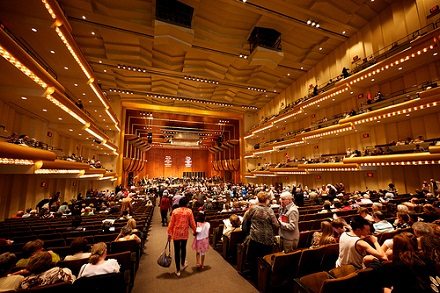
Philharmonic

November 13, 2012; Source: New York Observer

NPQ has published a good deal about engagement fundraising. Most recently, we published a piece by Beth Kanter and Katie Delahaye Paine, and back in 2004, we published an interview with Eli Pariser of MoveOn. But all things get a bit mucked up in implementation when an organization is unused to the new principles in play. What does a large institution do with the concept of audience engagement or social fundraising?

This first-person account in the New York Observer is a harrowing tale of pursuit of a potential donor by the esteemed New York Philharmonic. The author, Kara Bloomgarden-Smoke, says she is called at all hours, from a variety of phone numbers, to be “engaged” by what appears to be a hardworking phone bank. The callers say they are not fundraising but they “engage” thusly…

“‘We aren’t calling for a donation,’ they say, but that’s exactly what they are doing. ‘We are just calling to see if you enjoyed the concert last fall.’ It’s a trap. No matter how you answer, the next question they ask is whether you would like to become a member…

Sign up for our free newsletters

Subscribe to NPQ's newsletters to have our top stories delivered directly to your inbox.

By signing up, you agree to our privacy policy and terms of use, and to receive messages from NPQ and our partners.

I hang up, but the calls don’t stop. Every few weeks, I get a call from a number I don’t know. I don’t answer. The emails keep flooding my inbox; the mailman keeps delivering schedules and postcards and special offers and invitations to donate. I throw them all away…

I might need a new number. The calls still come regularly. Sometimes weekly, sometimes monthly. I forget about them for a while. And then, out of the blue, my phone rings. I get postcards almost every week. They knew what I did last summer…and it wasn’t going to the Philharmonic.”

A friend of the author who suffers similarly describes the callers as “oddly personal,” and Bloomgarden-Smoke cites a blogger who suggests something about about this “personal” touch:

“‘During the two years I spent in New York City, I attended a total of two concerts sponsored by the New York Phil,’ she wrote. ‘Somehow, this meager action led them to believe that I’m a.) wealthy, b.) philanthropic, and c.) NOT plunged into grad school debt.’”

Bloomgarden-Smoke believes that the Philharmonic’s behavior is related to the fact that she might tend to be on the young side for a Philharmonic attendee and therefore is a highly desirable demographic, but I am here to tell her that I am into my seventh decade and a last-minute decision to attend the Philharmonic’s Don Giovanni at the Met last year created the same kind of stream of check-ins, albeit by e-mail.

Clearly, the Philharmonic is trying like crazy to stay abreast of current styles of fundraising, but here’s a clue: the engagement has to be authentic and tailored to your partner. –Ruth McCambridge


Our Voices Are Our Power.

Journalism, nonprofits, and multiracial democracy are under attack. At NPQ, we fight back by sharing stories and essential insights from nonprofit leaders and workers—and we pay every contributor.

Can you help us protect nonprofit voices?

Your support keeps truth alive when it matters most.
Every single dollar makes a difference.

Donate now
logo logo logo logo logo
About the author
Ruth McCambridge

Ruth is Editor Emerita of the Nonprofit Quarterly. Her background includes forty-five years of experience in nonprofits, primarily in organizations that mix grassroots community work with policy change. Beginning in the mid-1980s, Ruth spent a decade at the Boston Foundation, developing and implementing capacity building programs and advocating for grantmaking attention to constituent involvement.

More about: FundraisingNonprofit NewsPhilanthropy
See comments

Sidebar-WTC
You might also like
The Mid-Year Gut Check: Are You on Track or In Denial?
Rhea Wong
How America’s Independence from England Revolutionized US Philanthropy
Amanda Moniz
The Boardroom Belongs to the Community
Kristin Lincoln
The Protesters Know Something Philanthropy Doesn’t
Bia Vieira
Built for a Time Such as This: How ABFE Used a Tumultuous Time in History to Uplift Its Community
Chelsea Crandall
Board Members as Major-Gift Partners (Not Passengers)
Rhea Wong

Upcoming Webinars

Group Created with Sketch.
June 25, 2:00 pm ET

Reframing Organizational Risk

Register
Group Created with Sketch.
July 16, 2:00 pm ET

Readying for the 2026 Midterms

How 501(c)(3)s Can Educate and Advocate During this Election Season

Register

    
You might also like
A woman in glasses and a houndstooth blazer works on a laptop at a desk surrounded by open notebooks and papers.
The Mid-Year Gut Check: Are You on Track or In Denial?
Rhea Wong
John Trumbull's painting, Declaration of Independence, depicting the five-man drafting committee of the Declaration of Independence presenting their work to the Congress.
How America’s Independence from England Revolutionized US...
Amanda Moniz
A single yellow rubber duck standing out in front of many identical rubber ducks.
The Boardroom Belongs to the Community
Kristin Lincoln

Like what you see?

Subscribe to the NPQ newsletter to have our top stories delivered directly to your inbox.

See our newsletters

By signing up, you agree to our privacy policy and terms of use, and to receive messages from NPQ and our partners.

  • About
  • Advertise
  • Careers
  • Contact
  • Copyright
  • Donate
  • Editorial Policy
  • Funders
  • Media Relations
  • Privacy Policy
  • Submissions

We are using cookies to give you the best experience on our website.


Nonprofit Quarterly | Civic News. Empowering Nonprofits. Advancing Justice.
Powered by  GDPR Cookie Compliance
Privacy Overview

This website uses cookies so that we can provide you with the best user experience possible. Cookie information is stored in your browser and performs functions such as recognising you when you return to our website and helping our team to understand which sections of the website you find most interesting and useful.

Strictly Necessary Cookies

Strictly Necessary Cookie should be enabled at all times so that we can save your preferences for cookie settings.