logo logo
Fund the truth. #Wethecivic giving banner
Donate
    • Membership
    • Donate
  • Social Justice
    • Racial Justice
    • Climate Justice
    • Disability Justice
    • Economic Justice
    • Food Justice
    • Health Justice
    • Immigration
    • LGBTQ+
  • Civic News
  • Nonprofit Leadership
    • Board Governance
    • Equity-Centered Management
    • Finances
    • Fundraising
    • Human Resources
    • Organizational Culture
    • Philanthropy
    • Power Dynamics
    • Strategic Planning
    • Technology
  • Columns
    • Ask Rhea!
    • Ask a Nonprofit Expert
    • Gathering in Support of Democracy
    • Humans of Nonprofits
    • The Impact Algorithm
    • Living the Question
    • Nonprofit Hiring Trends & Tactics
    • Notes from the Frontlines
    • Parables of Earth
    • Reimagining Philanthropy
    • State of the Movements
    • We Stood Up
    • The Unexpected Value of Volunteers
  • Newsletters
  • NPQ Online Events
    • Premium Webinars
    • Learn Out Loud
    • Partner Events
    • On Demand
  • Leading Edge Membership

Moral Court for Charity

Rick Cohen
January 2, 2008

In June of 2004, the Senate Finance Committee prepared a table for a long panel of witnesses to testify on charitable accountability, a diverse group including national trade associations, national nonprofit ratings entities, and specific issue and interest representatives of the nonprofit sector. At the end of the table sat Derek Bok, the former president of Harvard University, though participating on the panel to speak about the problems of The Nature Conservancy and the solutions he and his colleagues on the TNC board had wrought. A young committee staffer placed a chair next to Bok as my seat at the table. Bok glowered at me as an imposter, probably a superannuated committee usher usurping a seat where I didn’t belong. I explained that I was scheduled to testify as well, and I actually suspect that he viewed me as the nonprofit equivalent of literary writer George Plimpton trying his hand at quarterbacking the Detroit Lions or goaltending for the Boston Bruins.

I doubt I accomplished much through my rapid testimony next to Bok, and the legislation certainly didn’t measure up to some of the tough problems, particularly on philanthropy (like payout, trustee fees, corporate foundation disclosure, donor-advised fund disclosure, etc.). In the wake of the 2006 elections, some observers thought that Congressional attention to nonprofit accountability would wane. But that’s not the case.

Sign up for our free newsletters

Subscribe to NPQ's newsletters to have our top stories delivered directly to your inbox.

By signing up, you agree to our privacy policy and terms of use, and to receive messages from NPQ and our partners.

According to the Chronicle of Philanthropy, the House Ways and Means Committee under New York City Congressman Charles Rangel’s leadership is planning hearings this very month. As of this instant, there is nothing specific listed on the Ways and Means website, but that doesn’t mean the hearings won’t happen sooner or later. When they do, one can expect the kind of turnout that greeted Senator Grassley’s hearings in 2004, drawing a crowd of onlookers filling an auditorium hall and spilling over to another room in the Dirksen Senate Office Building plus a bevy of K Street lobbyists.

What might the Congressman who has represented New York City’s Harlem neighborhood for three decades ask of the foundations that will dutifully show up to testify? We offer our thoughts on what might be going through Rangel’s mind, especially in light of the responsiveness of foundations to Max Baucus’s expression of concern about rural philanthropy at last May’s Council on Foundations meeting. Good luck to Congressman Rangel and the Ways and Means Committee for their efforts to raise important issues about who benefits from charity and philanthropy. Despite hearings, there are other issues of philanthropy such as these three items on corporate philanthropy — grantmaking shenanigans, Fannie Mae, and Sallie Mae that merit the attention of regulators and all of us to monitor.


Our Voices Are Our Power.

Journalism, nonprofits, and multiracial democracy are under attack. At NPQ, we fight back by sharing stories and essential insights from nonprofit leaders and workers—and we pay every contributor.

Can you help us protect nonprofit voices?

Your support keeps truth alive when it matters most.
Every single dollar makes a difference.

Donate now
logo logo logo logo logo
About the author
Rick Cohen

Rick joined NPQ in 2006, after almost eight years as the executive director of the National Committee for Responsive Philanthropy (NCRP). Before that he played various roles as a community worker and advisor to others doing community work. He also worked in government. Cohen pursued investigative and analytical articles, advocated for increased philanthropic giving and access for disenfranchised constituencies, and promoted increased philanthropic and nonprofit accountability.

More about: OpinionPhilanthropyThe Cohen Report
See comments

Sidebar-WTC
You might also like
How Can Conservation Programs Better Connect to Farmers?
Jaycie Thomsen
How America’s Independence from England Revolutionized US Philanthropy
Amanda Moniz
The Boardroom Belongs to the Community
Kristin Lincoln
The Protesters Know Something Philanthropy Doesn’t
Bia Vieira
Built for a Time Such as This: How ABFE Used a Tumultuous Time in History to Uplift Its Community
Chelsea Crandall
Rethinking Wealth and How We Deploy It—Strategically
Rebecca Vilkomerson and Chanelle Gallant

Upcoming Webinars

Group Created with Sketch.
June 25, 2:00 pm ET

Reframing Organizational Risk

Register
Group Created with Sketch.
July 16, 2:00 pm ET

Readying for the 2026 Midterms

How 501(c)(3)s Can Educate and Advocate During this Election Season

Register

    
You might also like
How Can Conservation Programs Better Connect to Farmers?
Jaycie Thomsen
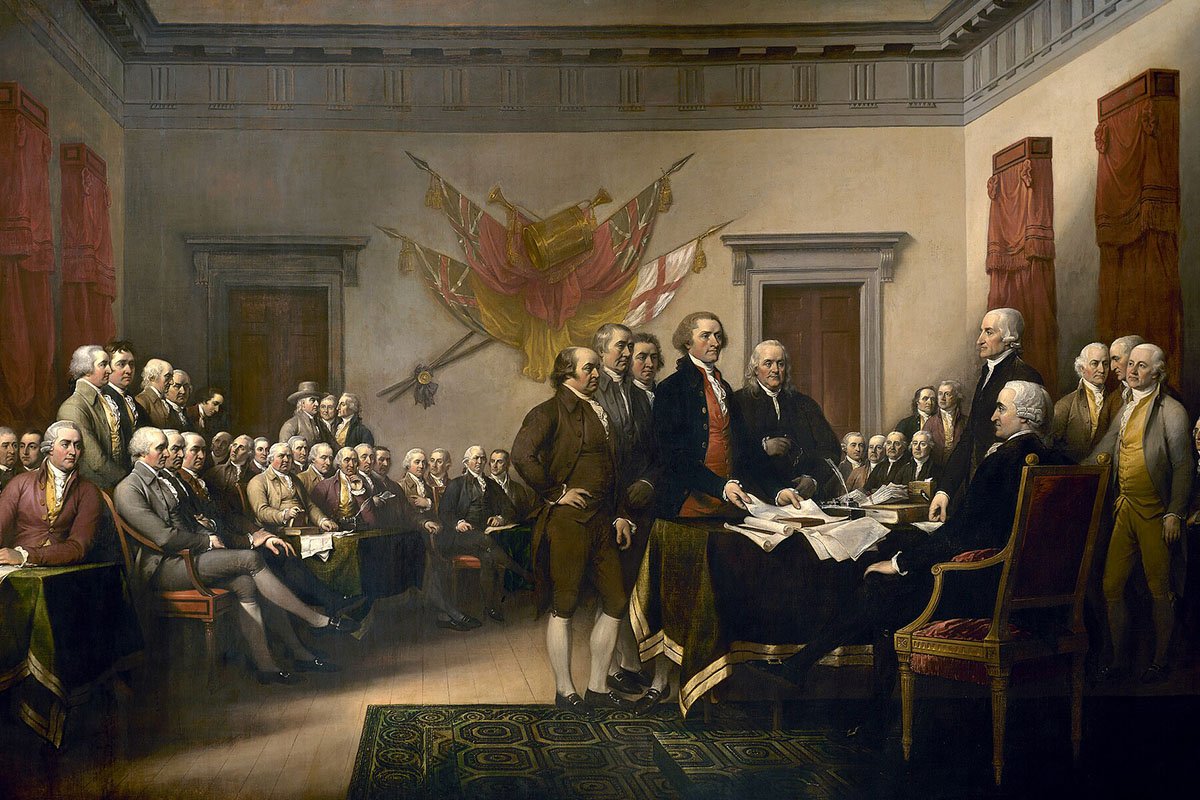
John Trumbull's painting, Declaration of Independence, depicting the five-man drafting committee of the Declaration of Independence presenting their work to the Congress.
How America’s Independence from England Revolutionized US...
Amanda Moniz
A single yellow rubber duck standing out in front of many identical rubber ducks.
The Boardroom Belongs to the Community
Kristin Lincoln

Like what you see?

Subscribe to the NPQ newsletter to have our top stories delivered directly to your inbox.

See our newsletters

By signing up, you agree to our privacy policy and terms of use, and to receive messages from NPQ and our partners.

  • About
  • Advertise
  • Careers
  • Contact
  • Copyright
  • Donate
  • Editorial Policy
  • Funders
  • Media Relations
  • Privacy Policy
  • Submissions

We are using cookies to give you the best experience on our website.


Nonprofit Quarterly | Civic News. Empowering Nonprofits. Advancing Justice.
Powered by  GDPR Cookie Compliance
Privacy Overview

This website uses cookies so that we can provide you with the best user experience possible. Cookie information is stored in your browser and performs functions such as recognising you when you return to our website and helping our team to understand which sections of the website you find most interesting and useful.

Strictly Necessary Cookies

Strictly Necessary Cookie should be enabled at all times so that we can save your preferences for cookie settings.