
logo logo
Fund the truth. #Wethecivic giving banner
Donate
    • Membership
    • Donate
  • Social Justice
    • Racial Justice
    • Climate Justice
    • Disability Justice
    • Economic Justice
    • Food Justice
    • Health Justice
    • Immigration
    • LGBTQ+
  • Civic News
  • Nonprofit Leadership
    • Board Governance
    • Equity-Centered Management
    • Finances
    • Fundraising
    • Human Resources
    • Organizational Culture
    • Philanthropy
    • Power Dynamics
    • Strategic Planning
    • Technology
  • Columns
    • Ask Rhea!
    • Ask a Nonprofit Expert
    • Gathering in Support of Democracy
    • Humans of Nonprofits
    • The Impact Algorithm
    • Living the Question
    • Nonprofit Hiring Trends & Tactics
    • Notes from the Frontlines
    • Parables of Earth
    • Reimagining Philanthropy
    • State of the Movements
    • We Stood Up
    • The Unexpected Value of Volunteers
  • Newsletters
  • NPQ Online Events
    • Premium Webinars
    • Learn Out Loud
    • Partner Events
    • On Demand
  • Leading Edge Membership

Life Spans of Charitable Foundations: Arguments for and Against an Assumption of Perpetuity

Francie Ostrower and Buzz Schmidt
April 1, 2009

The Urban Institute has posted audio from the Nonprofit Quarterly co-sponsored “Life Spans of Charitable Foundations:  Arguments for and Against an Assumption of Perpetuity.” Click here to visit the Urban Institute’s page and download the audio file.

Speakers:
Dr. Francie Ostrower, University of Texas at Austin
“Limited Life Foundations: Motivations, Experiences and Strategies” draws on survey data on over 800 private foundations with varied longevity plans, and in-depth interviews with 31 foundations that have considered or plan termination.
https://www.urban.org/publications/411836.html.

Arthur “Buzz” Schmidt, GuideStar / F.B. Heron Foundation
Escaping the Perpetuity Mindset Trap, argues that an assumption of perpetuity may blind many charitable foundations from achieving optimal social impact. Schmidt makes a number of arguments about deployment strategies for foundation assets that may potentially have more impact over the long term.

Discussants:

Sign up for our free newsletters

Subscribe to NPQ's newsletters to have our top stories delivered directly to your inbox.

By signing up, you agree to our privacy policy and terms of use, and to receive messages from NPQ and our partners.

• Virginia Esposito, President
National Center for Family Philanthropy

• Adam Meyerson, President
Philanthropy Roundtable

 

Our Voices Are Our Power.

Journalism, nonprofits, and multiracial democracy are under attack. At NPQ, we fight back by sharing stories and essential insights from nonprofit leaders and workers—and we pay every contributor.

Can you help us protect nonprofit voices?

Your support keeps truth alive when it matters most.
Every single dollar makes a difference.

Donate now
logo logo logo logo logo
About the authors
Francie Ostrower

Francie Ostrower, PhD, is Professor in the LBJ School of Public Affairs and College of Fine Arts at the University of Texas at Austin, where she is also Senior Fellow at the RGK Center for Philanthropy and Community Service, and Director of the Portfolio Program in Arts and Cultural Management and Entrepreneurship. She is a past president of ARNOVA.

Buzz Schmidt

Buzz Schmidt, Chairman of the F.B. Heron Foundation, leads Retreat Farm, Ltd., a nonprofit that is conserving an historic institutional farm in Vermont and repurposing it to support sustainable lands-based enterprise. He founded and led GuideStar USA and subsequently GuideStar International over a twenty-year period. These organizations report the work of the world’s nonprofit organizations at online repositories in several countries. Today, he also serves on the boards of the Permanent Fund for Vermont’s Children and the Vermont Council on Rural Development.

More about: Philanthropy
See comments

Sidebar-WTC
You might also like
How Can Conservation Programs Better Connect to Farmers?
Jaycie Thomsen
How America’s Independence from England Revolutionized US Philanthropy
Amanda Moniz
The Boardroom Belongs to the Community
Kristin Lincoln
The Protesters Know Something Philanthropy Doesn’t
Bia Vieira
Built for a Time Such as This: How ABFE Used a Tumultuous Time in History to Uplift Its Community
Chelsea Crandall
Rethinking Wealth and How We Deploy It—Strategically
Rebecca Vilkomerson and Chanelle Gallant

Upcoming Webinars

Group Created with Sketch.
June 25, 2:00 pm ET

Reframing Organizational Risk

Register
Group Created with Sketch.
July 16, 2:00 pm ET

Readying for the 2026 Midterms

How 501(c)(3)s Can Educate and Advocate During this Election Season

Register

    
You might also like
How Can Conservation Programs Better Connect to Farmers?
Jaycie Thomsen
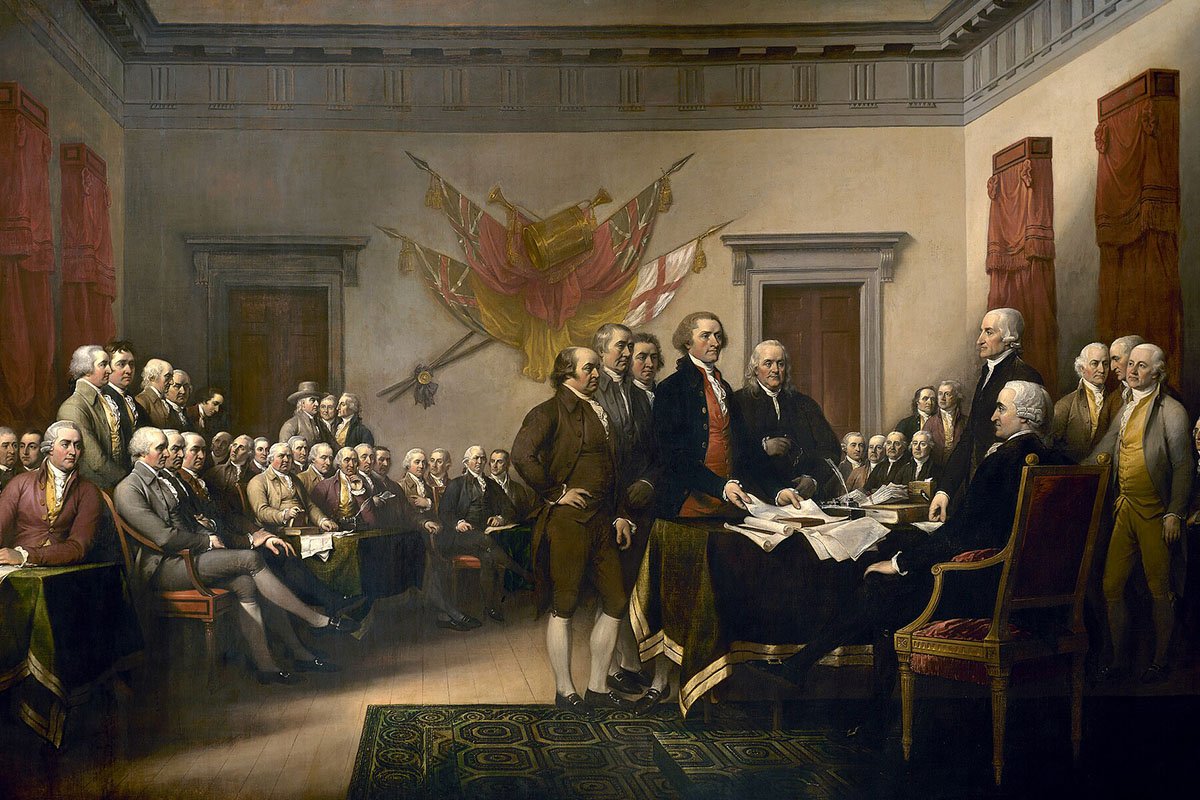
John Trumbull's painting, Declaration of Independence, depicting the five-man drafting committee of the Declaration of Independence presenting their work to the Congress.
How America’s Independence from England Revolutionized US...
Amanda Moniz
A single yellow rubber duck standing out in front of many identical rubber ducks.
The Boardroom Belongs to the Community
Kristin Lincoln

Like what you see?

Subscribe to the NPQ newsletter to have our top stories delivered directly to your inbox.

See our newsletters

By signing up, you agree to our privacy policy and terms of use, and to receive messages from NPQ and our partners.

  • About
  • Advertise
  • Careers
  • Contact
  • Copyright
  • Donate
  • Editorial Policy
  • Funders
  • Media Relations
  • Privacy Policy
  • Submissions

We are using cookies to give you the best experience on our website.


Nonprofit Quarterly | Civic News. Empowering Nonprofits. Advancing Justice.
Powered by  GDPR Cookie Compliance
Privacy Overview

This website uses cookies so that we can provide you with the best user experience possible. Cookie information is stored in your browser and performs functions such as recognising you when you return to our website and helping our team to understand which sections of the website you find most interesting and useful.

Strictly Necessary Cookies

Strictly Necessary Cookie should be enabled at all times so that we can save your preferences for cookie settings.